Application Analysis ofFlowmetersin Key Ship Systems
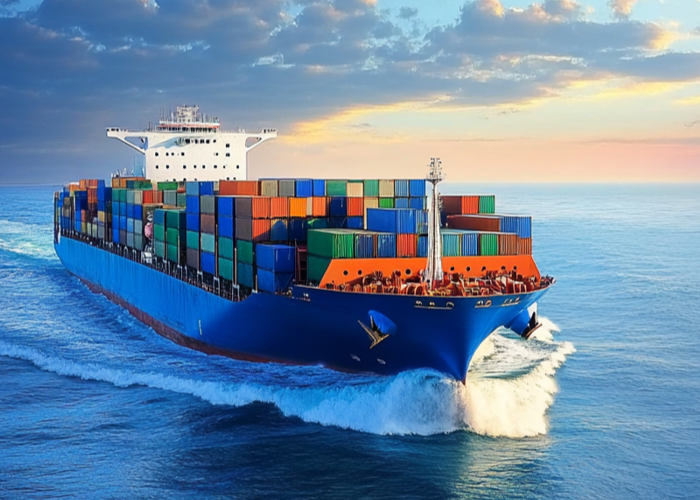
The safe navigation, efficient operation, and precise control of ships highly depend on various monitoring devices. Among them, flow meters and their associated sensors play a crucial role in ballast tank monitoring, fuel monitoring, water circulation cooling, valve remote control, and temperature control systems. This article will elaborate on the application scenarios, equipment selection, importance, and value of data recording of flow meters in each system, providing a reference for the optimization and upgrade of ship systems.
1.Product application scenarios and usage types
The operating conditions of key systems on ships vary significantly, and the monitoring requirements for parameters such as flow rate, liquid level, and pressure also differ. Therefore, it is necessary to select appropriate monitoring equipment based on system characteristics to ensure data accuracy and operational stability. The specific application scenarios and equipment selection are as follows:
1.1 Ballast Tank System
Ballast tanks are the core devices for adjusting a ship’s draft, stability, and buoyancy. Their core requirement is to precisely control the inflow of ballast water and the liquid level inside the tank to avoid risks such as ship inclination and structural damage caused by abnormal liquid levels. Recommended equipment includes: electromagnetic flowmeters (used for accurately measuring the inflow of ballast water, compatible with conductive media such as seawater, and highly corrosion-resistant), level transmitters (used for real-time collection of liquid level data inside the tank, supporting continuous monitoring), and pressure transmitters (used for synchronously monitoring the bottom pressure of the tank, assisting in determining the accuracy of the liquid level, and avoiding measurement deviations caused by sediment). Through the coordinated operation of these three devices, closed-loop precise control of the ballast water system can be achieved.
1.2 Fuel Monitoring System
Fuel is the core power source for ships, and the fuel monitoring system needs to achieve “real-time fuel consumption visualization, historical data accessibility, and controllable operating status” to provide data support for cost control and navigation optimization. Its core requirements include fuel level monitoring, real-time fuel consumption statistics, total fuel consumption calculation, and operating rationality analysis. Recommended equipment includes: mass flow meters (which directly measure the mass flow rate of fuel, are not affected by temperature and density changes, and can accurately reflect actual fuel consumption), level transmitters (which monitor the fuel tank/ storage tank level to avoid the risk of fuel shortage or overflow), and pressure transmitters (which monitor the pressure during fuel storage and transportation to ensure stable fuel supply). Combined with the ship positioning system, correlation analysis can be simultaneously conducted among the navigation trajectory, voyage, and fuel consumption.
1.3 Ship Water Circulation Cooling System
This system is responsible for cooling the main engine, generator, and other core equipment of the ship. Its heat transfer efficiency directly affects the stability of equipment operation and fuel economy. The core requirement is to ensure a reasonable cooling water flow rate and stable pressure, thereby achieving the dual goals of energy conservation and flow optimization.
Recommended Equipment: Electromagnetic Flowmeter (measures the flow rate and velocity of cooling water, suitable for media such as fresh water and seawater, with low pressure loss), Pressure Transmitter (monitors system pressure to prevent abnormal pressure caused by blockage), and Temperature Transmitter (collects inlet and outlet water temperatures for evaluating heat exchange efficiency). Through multi-parameter linkage, it ensures that the central cooler always operates in optimal condition.
1.4 Valve Remote Control System (Fuel Supply Chain)
The valve remote control system is the “Central Nervous System” of fuel supply, responsible for regulating the entire process of heavy oil from storage to use by the main engine. Its core requirement is to ensure the stable delivery of purified fuel and avoid flow fluctuations that could affect the operation of the main engine.
Recommended equipment: electromagnetic flowmeter (monitors the flow rate of purified heavy oil, suitable for viscous liquids after heating, with anti-clogging design), mass flowmeter (accurately measures the amount of fuel entering the service tank, forming a closed-loop verification with fuel consumption data). After heavy oil is purified through sedimentation, heating, and oil-water separation, the flowmeter monitors the high-level overflow flow rate in real time to ensure stable fuel supply to the service tank and meet the immediate fuel supply requirements of the main engine and boiler.
1.5 Temperature Control System
The ship’s temperature control system is responsible for regulating the temperature and humidity of the cabin and equipment environment. Its core requirement is to achieve efficient heat exchange through refrigerant circulation. The key lies in precise control of refrigerant flow to ensure stable cooling, heating, and dehumidification effects.
Recommended equipment: electromagnetic flowmeter (measures refrigerant circulation flow, suitable for low-temperature media, with good sealing performance), temperature transmitter (collects the inlet and outlet temperatures of condensers and evaporators to determine refrigerant heat transfer efficiency). By monitoring changes in refrigerant flow and temperature, the circulation rate can be optimized to avoid energy waste.
- The Importance of Flow Meters in Various Scenarios
Flow meters are not just “flow measurement tools”; they are the “core sensing units” for various systems to achieve precise control, safe operation, and efficiency optimization. Their importance is reflected in specific values under different scenarios:
2.1 Ballast Tank System: A “balance meter” used to ensure the stability of ships.
During the loading, unloading, and navigation of ships, it is often necessary to adjust the ballast water tank positions. The inflow rate measured by the flowmeter is the core basis for determining the filling rate of the ballast tank. Inaccurate flow data may lead to the tank level rising too quickly, causing excessive structural stress; it may also result in insufficient tank capacity, reducing the ship’s stability. By combining the flowmeter with level and pressure data, the system can be assisted in precisely controlling the opening and closing times of valves, ensuring the level balance of the ballast tank and avoiding safety hazards such as ship inclination and rolling. Especially in rough sea conditions, accurate Byte Flow Control is crucial for ensuring navigation safety.
2.2 Fuel Monitoring System: The Core of Cost and Efficiency Calculation
Fuel costs account for more than 60% of ship operating costs, and the accuracy of mass flow meters directly determines the reliability of real-time fuel consumption and total fuel consumption data. By correlating flow data with navigation tracks and voyages, crew members can clearly understand “fuel consumption per nautical mile”, identify inefficient navigation conditions (such as excessive acceleration and detours), and provide data support for optimizing routes and driving habits. Meanwhile, flow data can also serve as the basis for fuel settlement and auditing, avoiding fuel waste or metering disputes.
2.3 Water Cycle Cooling System: The “Cooling Assurance” for Ensuring Equipment Safety
The normal operating temperatures of equipment such as main engines and generators are strictly limited. An excessively low cooling water flow rate can lead to overheating and shutdown, while an excessively high flow rate increases energy consumption and pipe wear. The real-time flow data provided by electromagnetic flow meters can trigger the system to automatically adjust the pump speed, ensuring that the cooling water flow rate matches the thermal load of the equipment. This not only ensures the heat exchange efficiency of the central cooler but also avoids energy waste. For example, when the main engine load decreases, the flow meter detects a reduction in thermal demand, and the system can automatically reduce the cooling water flow rate, thereby achieving energy savings.
2.4 Valve Remote Control System: The “Stabilizing Valve” of Fuel Supply.
The purified heavy oil needs to be stably transported to the day tank. If the flow rate fluctuates too much, it may lead to insufficient fuel supply to the main engine or a sudden increase in pressure, which in turn causes fluctuations in the main engine speed or even shutdown. The flow meter monitors the transport flow rate in real time. When an abnormal flow rate occurs (such as a sudden drop in flow rate due to a malfunction of the oil-water separator), the valve remote control system can be immediately activated to adjust the valve opening or issue an alarm signal to ensure continuous and stable fuel supply and safeguard the normal operation of the main engine.
2.5 Temperature Control System: The “Efficiency Key” to a Comfortable Environment.
Refrigerant flow directly affects heat transfer efficiency. Insufficient flow can lead to slow cooling/heating in the cabin, while excessive flow increases the energy consumption of the compressor. The refrigerant flow data collected by the flow meter can assist the temperature control system in dynamically adjusting the compressor power and valve opening to ensure that the refrigerant circulation volume precisely matches the cabin environment requirements. This not only maintains comfort but also maximizes energy savings, especially during ocean voyages, where it can significantly reduce the overall energy consumption of the ship.
- Comprehensive Importance of Flowmeter Usage
From the perspective of the overall operation of the ship, the value of the flowmeter far exceeds that of monitoring single system parameters; its comprehensive importance is reflected in three aspects: safety, economy, and compliance.
3.1 Safety Dimension: Building an “early warning and defense line” for ship operations
Real-time flowmeter data is crucial for the early warning of ship malfunctions. For example, a sudden increase in the flow rate detected by the ballast tank flowmeter may indicate a pipeline rupture; an abnormal decrease in the flow rate detected by the fuel system flowmeter may indicate a clogged filter or pump failure; and a sudden drop in the flow rate shown by the water circulation system flowmeter can warn of the risk of a clogged cooling pipeline. By observing abnormal fluctuations in flow data, crew members can promptly troubleshoot problems and prevent minor issues from escalating into major safety accidents.
3.2 Economic Aspect: Achieve “Precise Control” of Operating Costs
On the one hand, flow meters accurately measure media such as fuel and cooling water, which can avoid resource waste caused by “estimation errors”. On the other hand, optimizing the operating parameters of various systems through flow data (such as adjusting the cooling water flow rate and refrigerant circulation rate) can reduce the energy consumption of auxiliary equipment such as water pumps and compressors, thereby achieving energy savings across the entire ship. According to statistics, ships equipped with accurate flow meters can reduce fuel and energy consumption by 5% to 10%, resulting in significant long-term operational benefits.
3.3 Compliance Dimension: Meet the “data requirements” of maritime regulatory agencies
The International Maritime Organization (IMO) and national maritime administrations have strict regulatory requirements for ship ballast water discharge and fuel consumption. For example, the International Convention for the Prevention of Pollution from Ships (MARPOL Convention) requires ships to record fuel consumption data and report it regularly, and the accurate flow data provided by flow meters is the core basis for compliance records; the Ballast Water Management Convention requires ships to accurately record ballast water exchange volume, and flow meter data can be directly used as proof of compliance, avoiding penalties due to missing or inaccurate data.
4.The Importance of Data Records
The value of flow, level, and pressure data collected by flow meters and related equipment lies not only in real-time monitoring but also in the “Data assets” formed through long-term recording, which support the entire operation process of the ship. Its specific importance is as follows:
4.1 Key basis for fault tracking and diagnosis
When a ship system malfunctions, historical data records are the key clues for troubleshooting. For example, if the main engine frequently overheats, tracking the historical flow and temperature data of the water circulation system helps determine whether the problem is a misjudgment caused by a malfunctioning flow meter or a reduced flow caused by a clogged pipeline. If fuel consumption suddenly increases abnormally, combining flow records with navigation data helps investigate whether there is a fuel leak or equipment failure. Complete data records can shorten troubleshooting time and reduce maintenance costs.
4.2 Provide data support for operational optimization and decision-making.
Long-term flow data recording can build a “digital archive” of ship operations. For example, by analyzing fuel flow data under different routes, sea conditions, and loads, the optimal speed and route can be determined; by comparing cooling water flow and energy consumption data over different time periods, the operating parameters of the cooling system can be optimized; by statistically analyzing the correlation between ballast water flow and ship stability, a more efficient ballast water adjustment plan can be developed. These data-driven optimization decisions can significantly improve ship operating efficiency.
4.3 “Scientific Guide” for Equipment Maintenance and Lifespan Management
Equipment wear and aging are directly related to operating load, and flow data records can reflect the operating status of equipment. For example, long-term fluctuations in the flow output of a fuel pump may indicate pump body wear; a gradual decline in the flow of a cooling water pump may indicate impeller scaling. By analyzing the changing trends of flow data, preventive maintenance plans can be developed, enabling timely repairs before equipment malfunctions, extending equipment service life, and avoiding losses caused by sudden shutdowns.
4.4 Legally binding compliance reports and liability determination documents.
Maritime regulatory authorities require long-term preservation and reporting of data on ship ballast water discharge, fuel consumption, and pollutant emissions. Complete and accurate data records serve as the legal basis for compliance declarations. For example, when a ship undergoes port state control inspections, it must provide historical flow records of fuel consumption; in the event of a maritime accident, data records such as flow and level can serve as crucial evidence for determining liability, helping to clarify whether the accident was caused by improper system control.
Summary
Flow meters and their associated monitoring equipment are the “sensing core” of various critical systems on ships, playing an irreplaceable role in aspects such as ballast tank stability control, fuel cost management, cooling system energy conservation, fuel supply stability, and temperature control optimization. Data recording transforms real-time monitoring into long-term value, supporting fault diagnosis, operational optimization, equipment maintenance, and compliance reporting. In the future, with the development of smart ships, the integration of flow meters and data systems will continue to deepen, providing stronger support for the safe, efficient, and green operation of ships.